OCLC is a global nonprofit library cooperative with more than 1,200 employees worldwide. It is best known for WorldCat, the world’s largest online catalog, and for maintaining the Dewey Decimal Classification system used by libraries globally.
Simplifying Metadata Workflows to Expand Adoption and Support Growth from $8M to $22M
ContentDM, OCLC’s flagship digital asset management platform, supports thousands of libraries, museums, and cultural institutions managing digital archives and special collections.
Despite strong adoption, the platform relied on legacy workflows that slowed archival operations, introduced inconsistencies in metadata capture, and limited scalability.
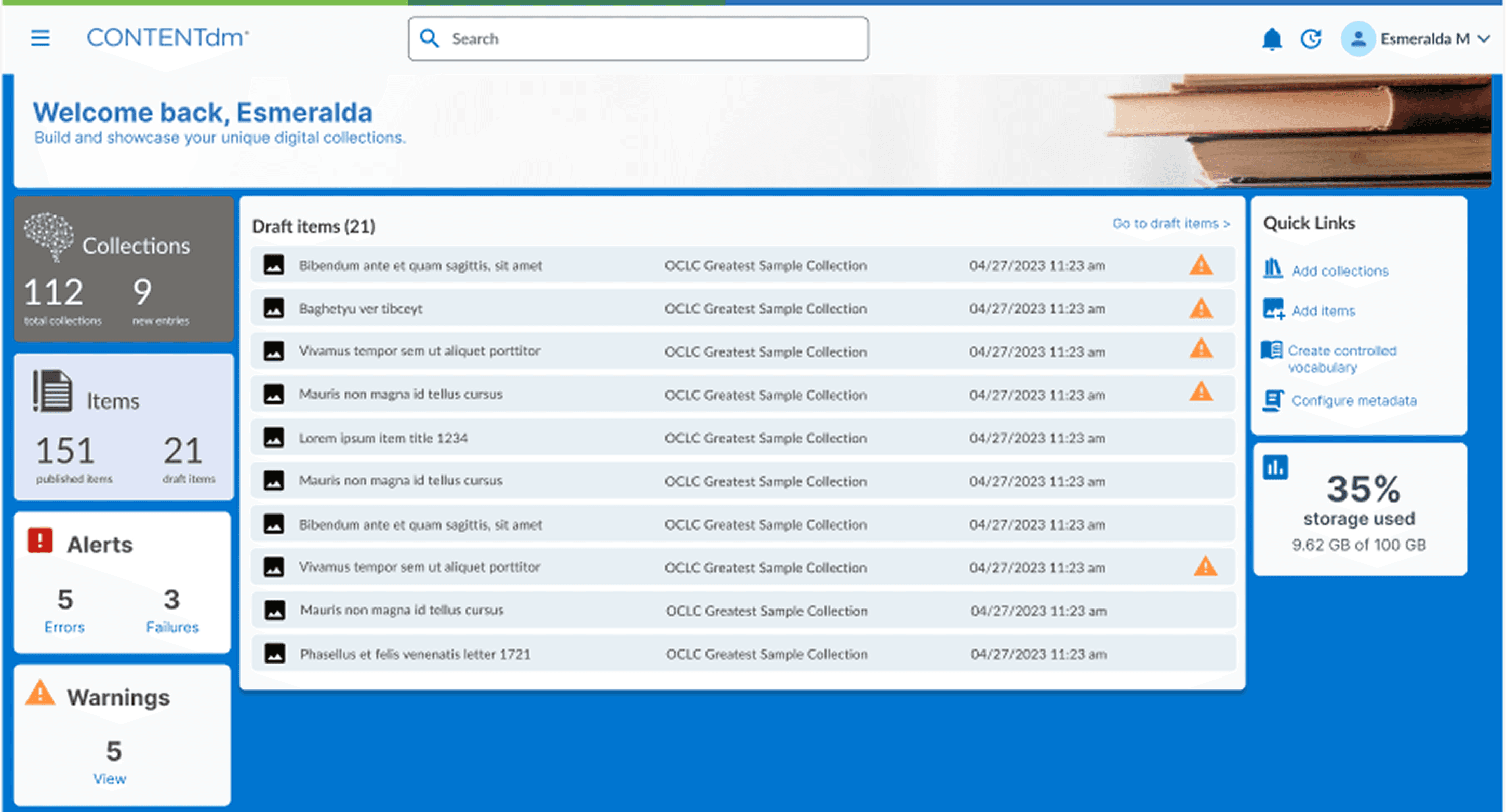
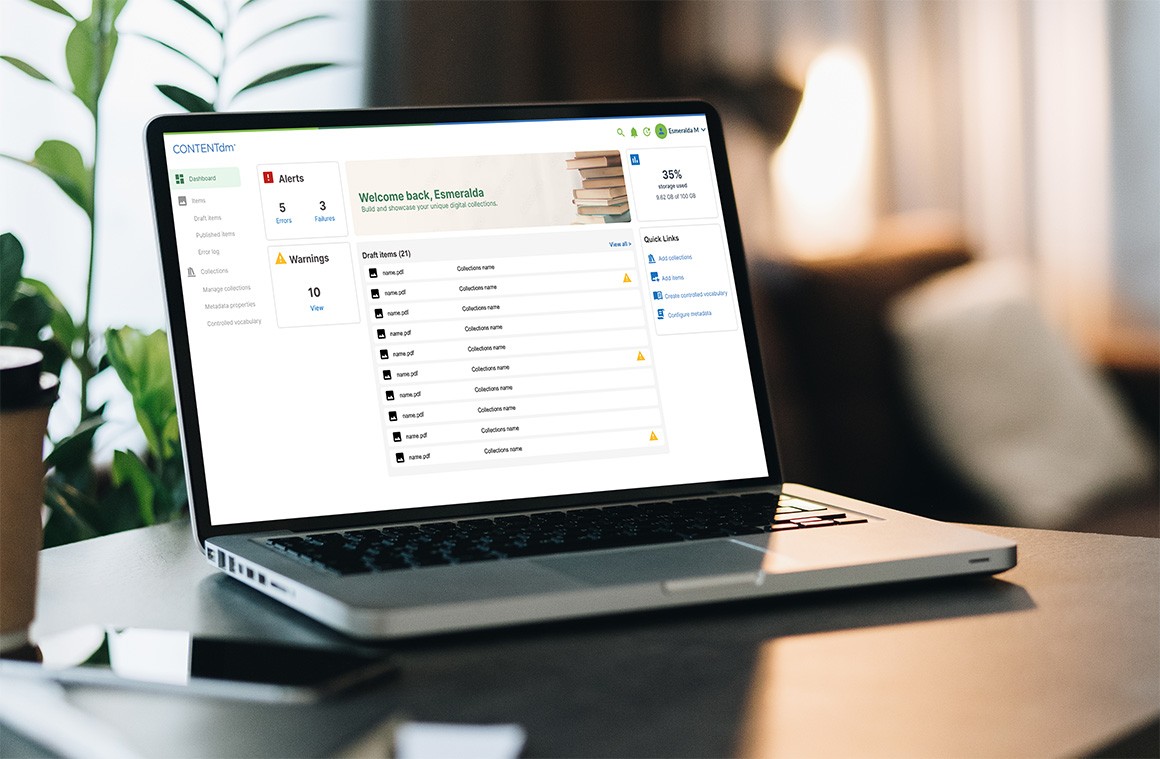
As Lead Product Designer, I led the end to end redesign of ContentDM to transform the platform into a scalable, intuitive system supporting the full lifecycle of digital collections from ingestion and structured metadata capture to public facing exhibitions.
The redesign aimed to reposition ContentDM from a specialist archival tool into a more accessible digital platform, enabling broader adoption and supporting projected revenue growth from $8M to $22M.
ContentDM’s legacy experience created friction across the entire digital collection lifecycle.
Metadata workflows were complex and rigid, ingestion processes required multiple disconnected steps, and the interface reflected outdated interaction patterns that slowed everyday tasks.
Administrators and curators often needed specialized knowledge to structure metadata correctly, making collection management time intensive and error prone. The exhibition builder also lacked the flexibility and visual polish expected from modern digital publishing tools.
These limitations not only reduced productivity for librarians and archivists but also restricted ContentDM’s ability to expand beyond academic institutions into broader cultural and commercial markets.


The redesign focused on transforming ContentDM from a complex archival tool into a modern platform that simplified the management and presentation of digital collections.
The design strategy centered on three key priorities:
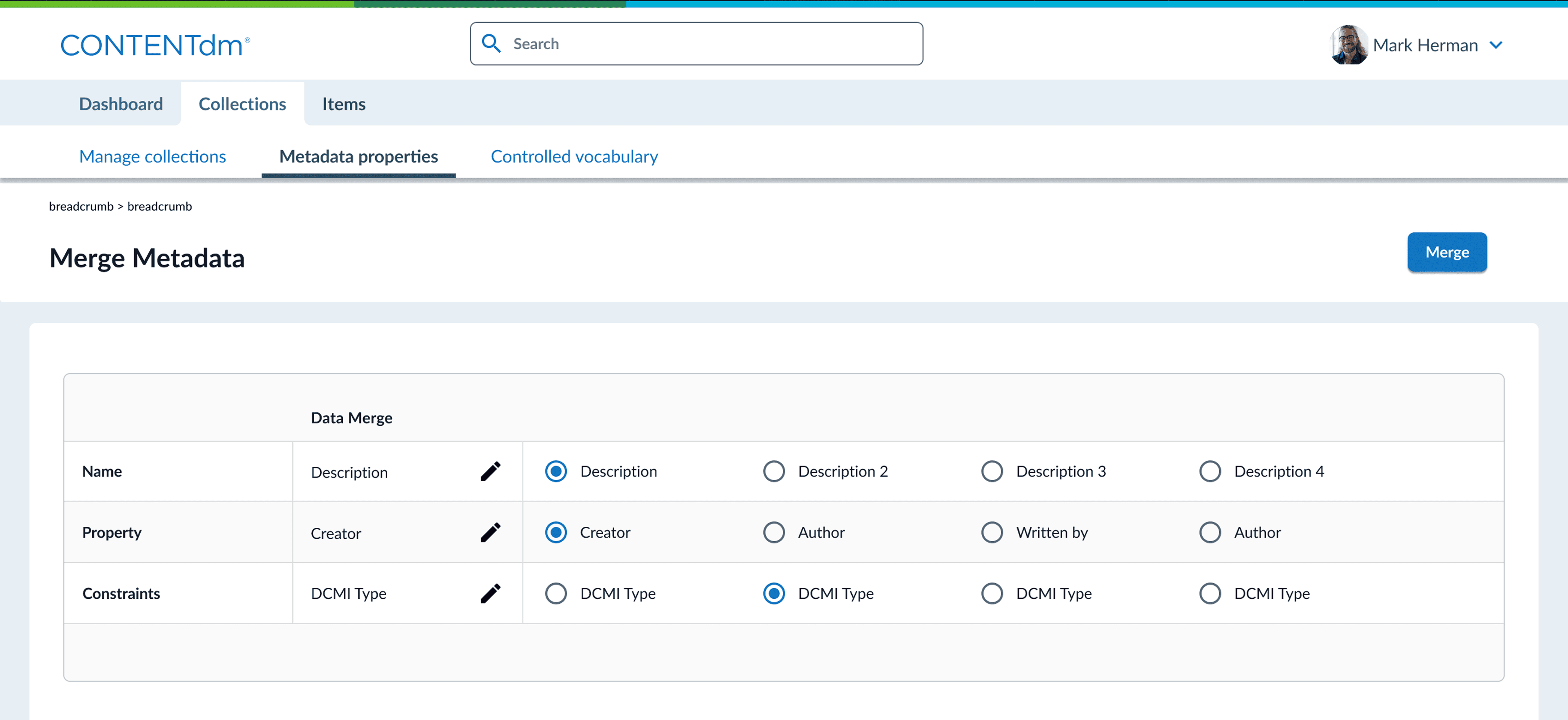
Simplify metadata workflows
Introduce guided metadata capture and clearer data structures to reduce errors and improve consistency across collections.
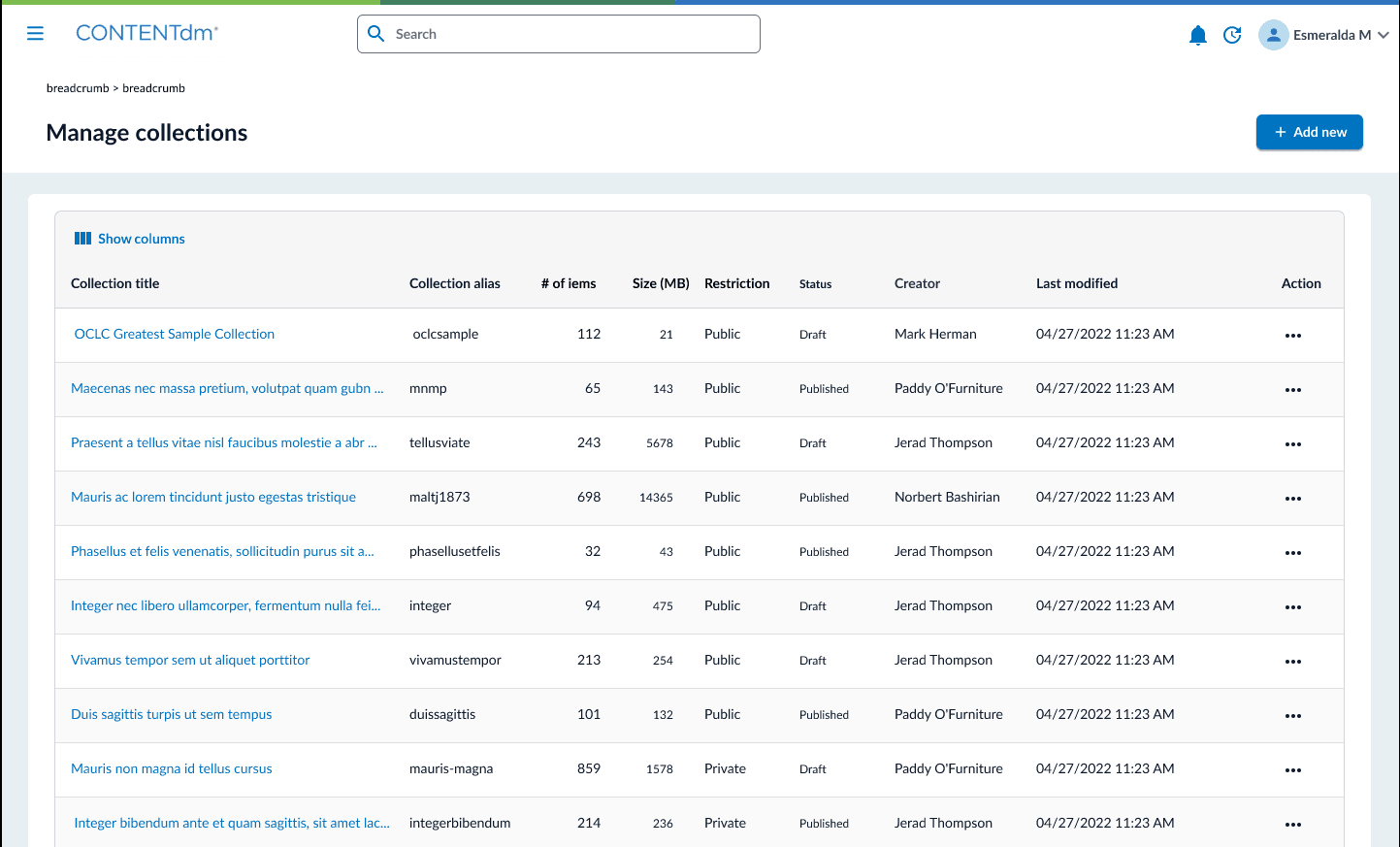
Streamline ingestion and collection management
Redesign ingestion workflows and collection management tools to reduce operational friction and enable administrators to manage large archives more efficiently.
Modernize the digital exhibition experience
Reimagine the exhibition builder to provide curators with flexible tools to create engaging, public-facing digital collections.
This approach restructured the product around the full lifecycle of digital collections:
Ingest → Structure Metadata → Manage Collections → Publish Exhibitions
By aligning the product experience with how archivists and curators actually manage digital content, the redesign created a more scalable platform that supported both operational efficiency and future market expansion.
The redesign modernized ContentDM’s platform architecture and significantly improved how institutions manage and present digital collections.
Key outcomes included:
Simplified metadata workflows that reduced operational complexity for administrators
Improved ingestion and collection management processes for large-scale digital archives
Modernized exhibition tools that enabled institutions to create more engaging public-facing digital collections
Positioned the platform to expand adoption beyond traditional academic libraries
The transformation helped reposition ContentDM as a more accessible digital platform and supported projected revenue growth from $8M to $22M, strengthening OCLC’s long-term leadership in digital asset management for libraries and cultural institutions.