OCLC is a global nonprofit library cooperative with over 1,200 employees worldwide. It is best known for WorldCat, the world’s largest online catalog, and for maintaining the Dewey Decimal Classification system, used by libraries worldwide.
Modernizing a legacy digital asset platform for libraries worldwide
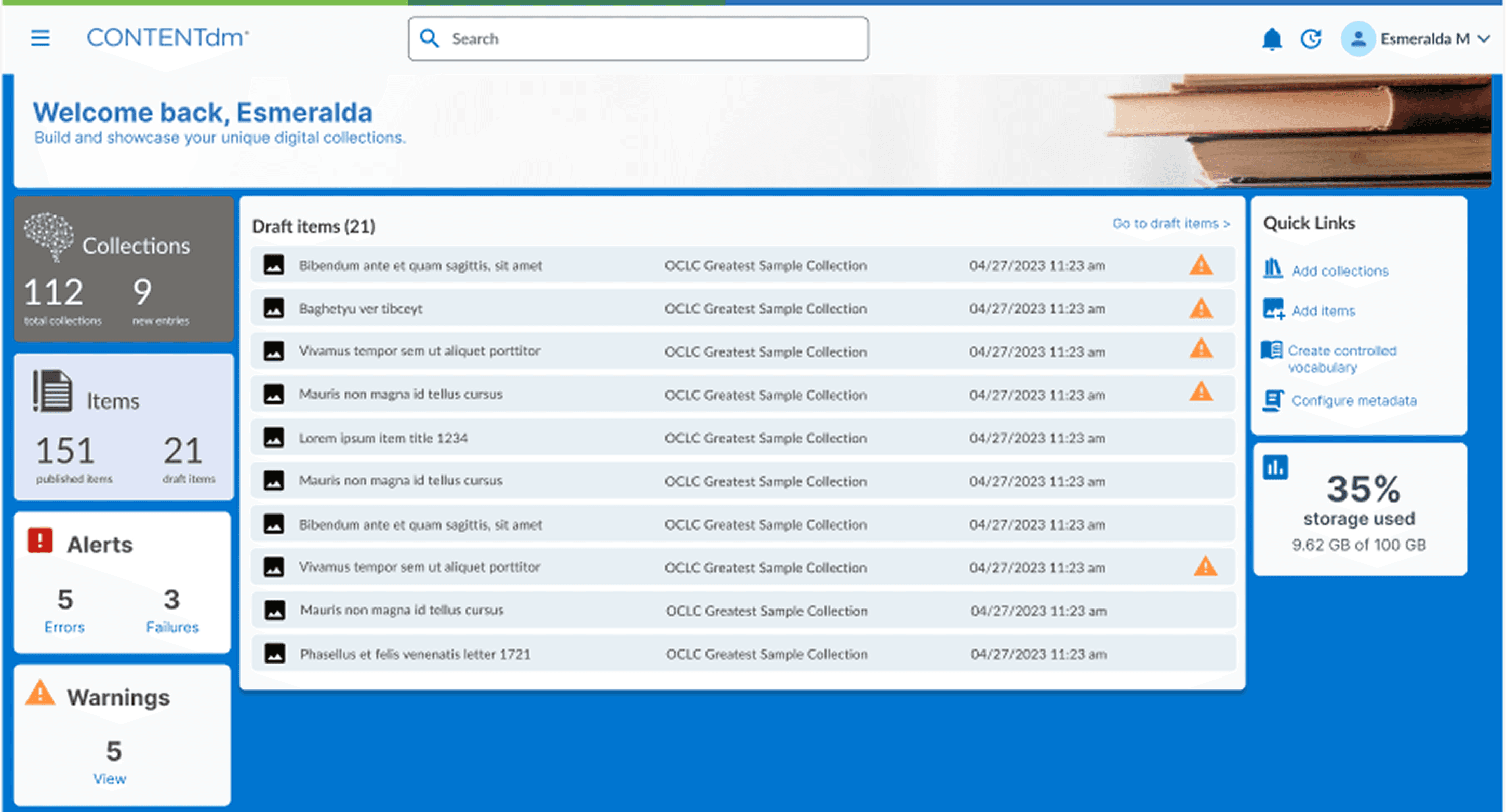
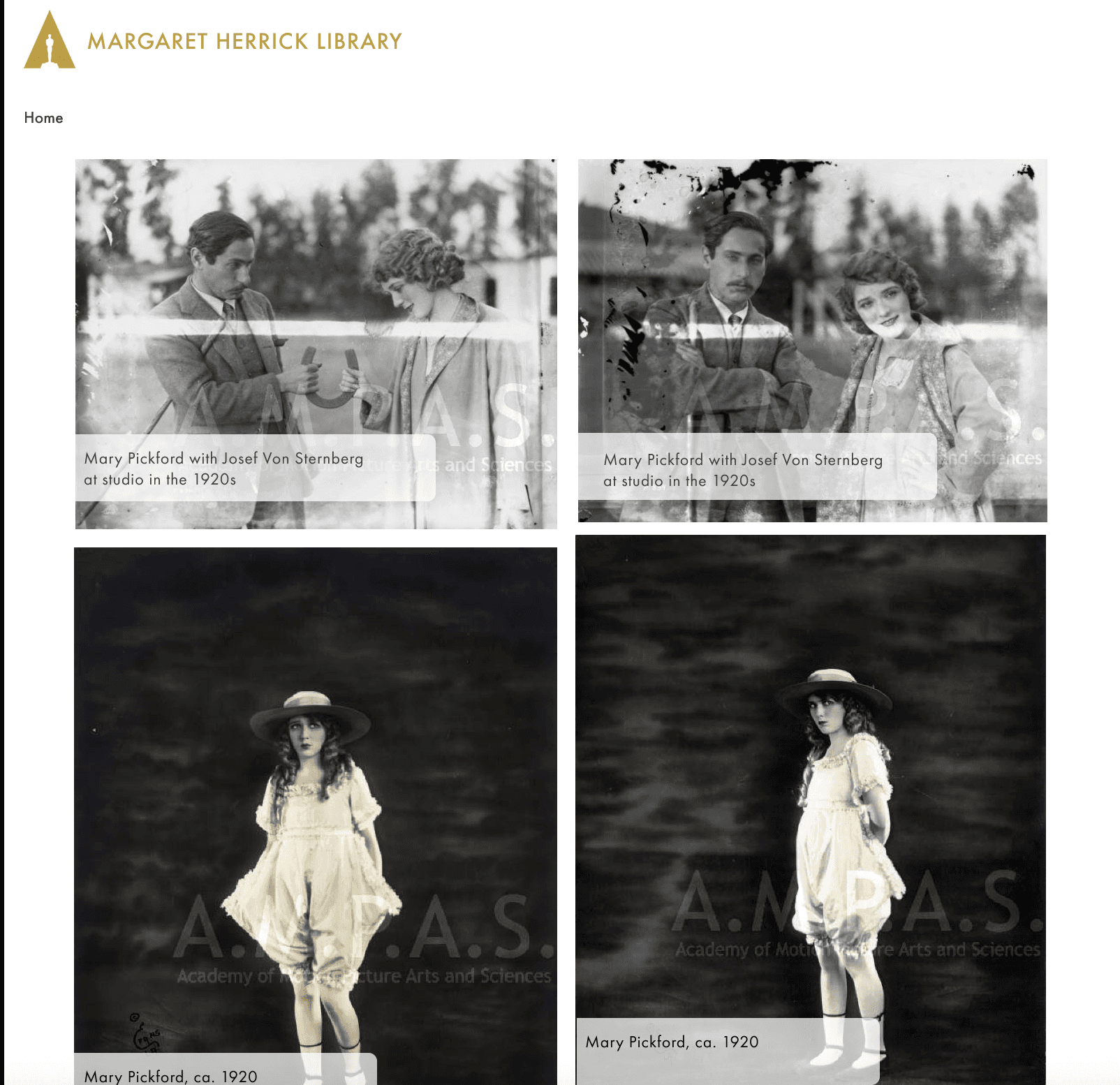
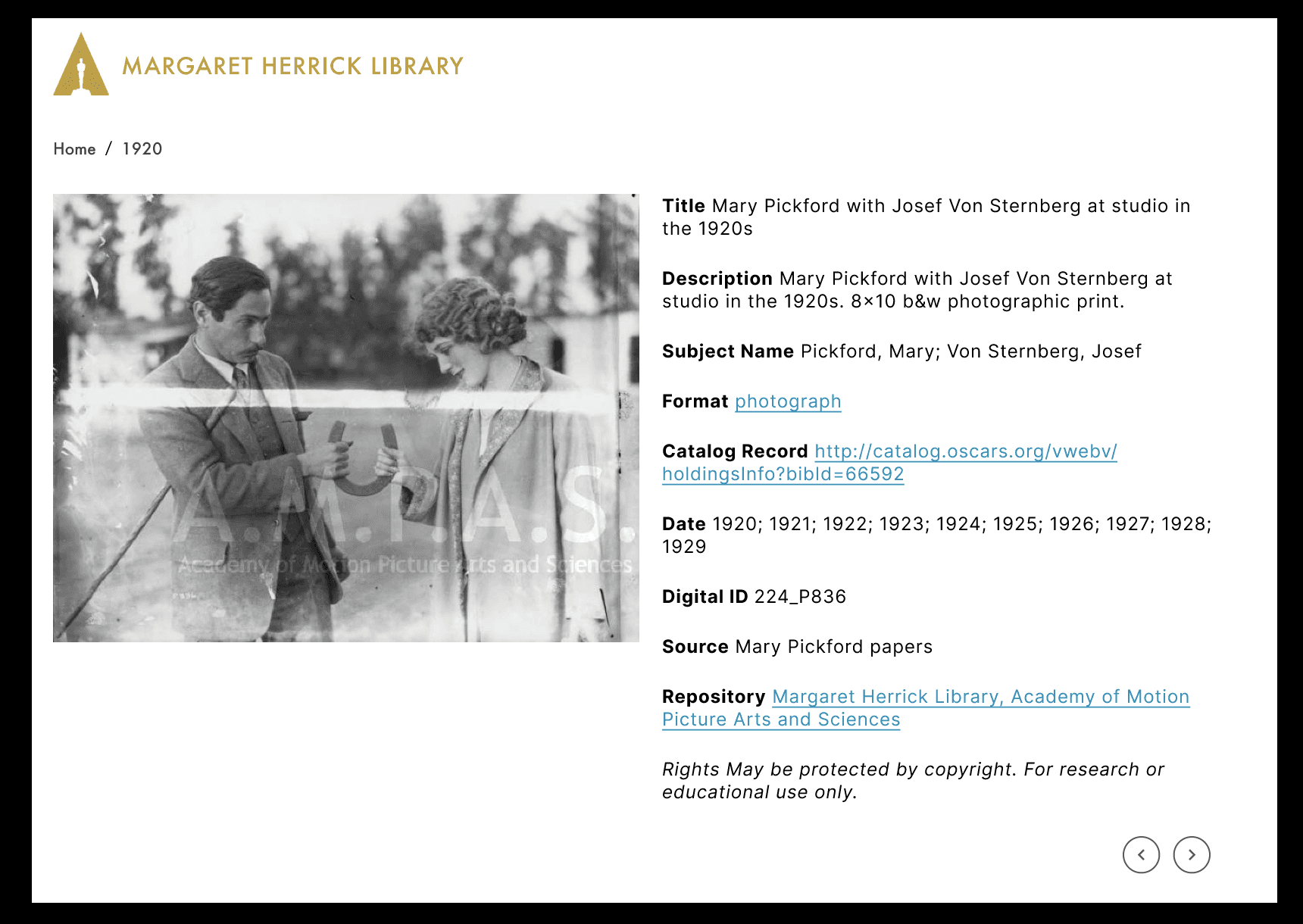
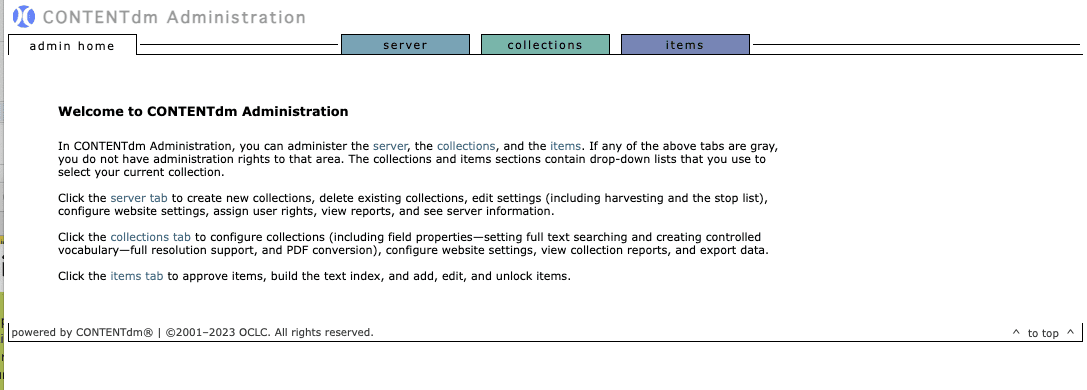
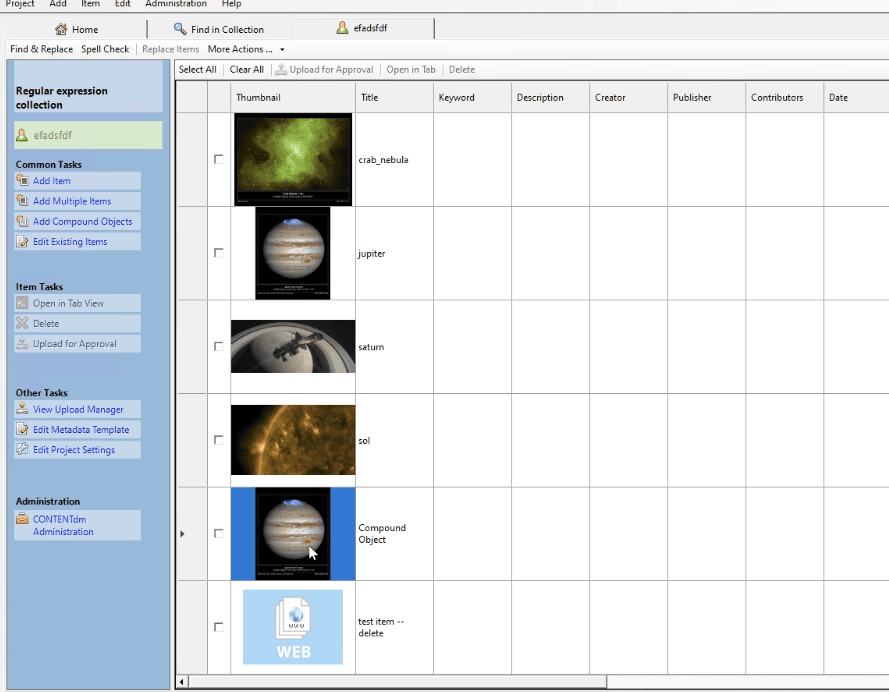
ContentDM, OCLC’s flagship digital asset management system, supports thousands of libraries, museums, and cultural institutions worldwide. While widely adopted, the platform relied on legacy workflows that slowed archival work, introduced inconsistency, and made scaling difficult. Administrators managed complex metadata requirements, cumbersome ingestion processes, and limited tools for organizing and publishing collections.
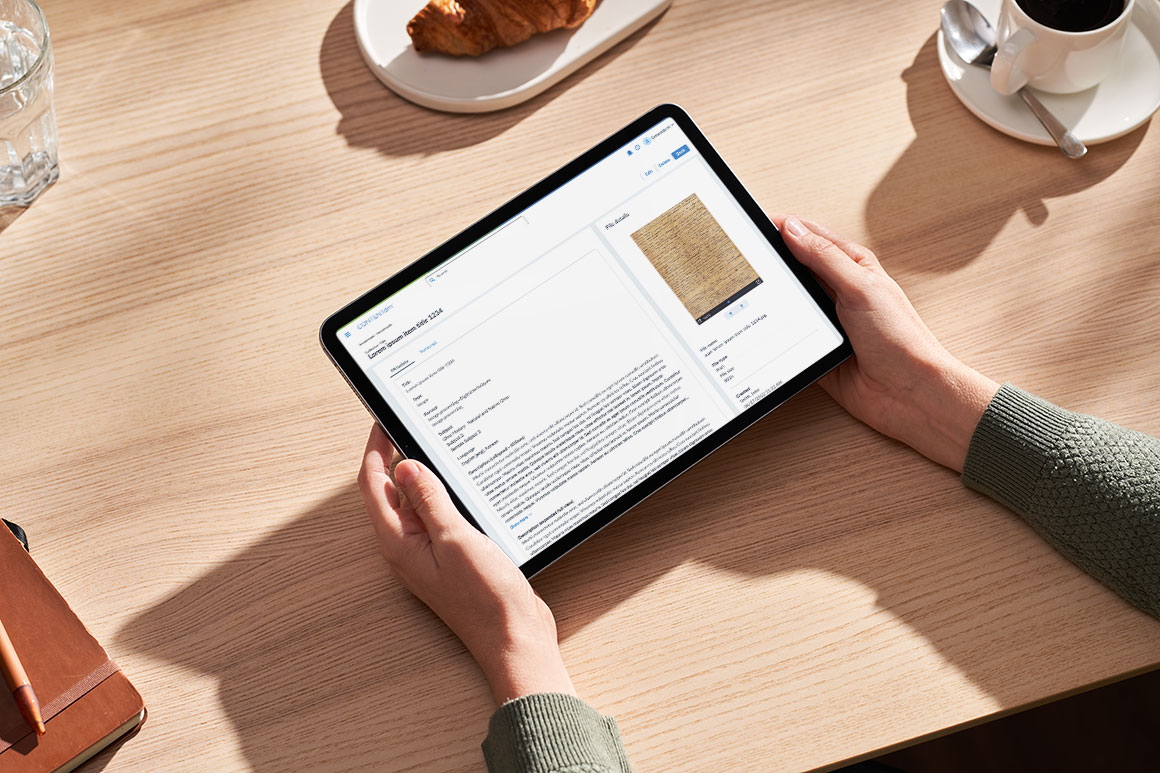
As Lead Product Designer, I led the redesign to modernize ContentDM into an end-to-end platform that supports the full lifecycle of digital content, from ingestion and management to public-facing exhibitions. Users needed a simpler way to manage digital collections and create engaging online experiences without technical expertise. Existing metadata workflows were rigid, the interface felt outdated, and the exhibition builder lacked the flexibility and visual polish of modern content management systems. These constraints frustrated users and limited ContentDM’s appeal beyond academic libraries.
Redesigning the workflows behind digital preservation and public discovery
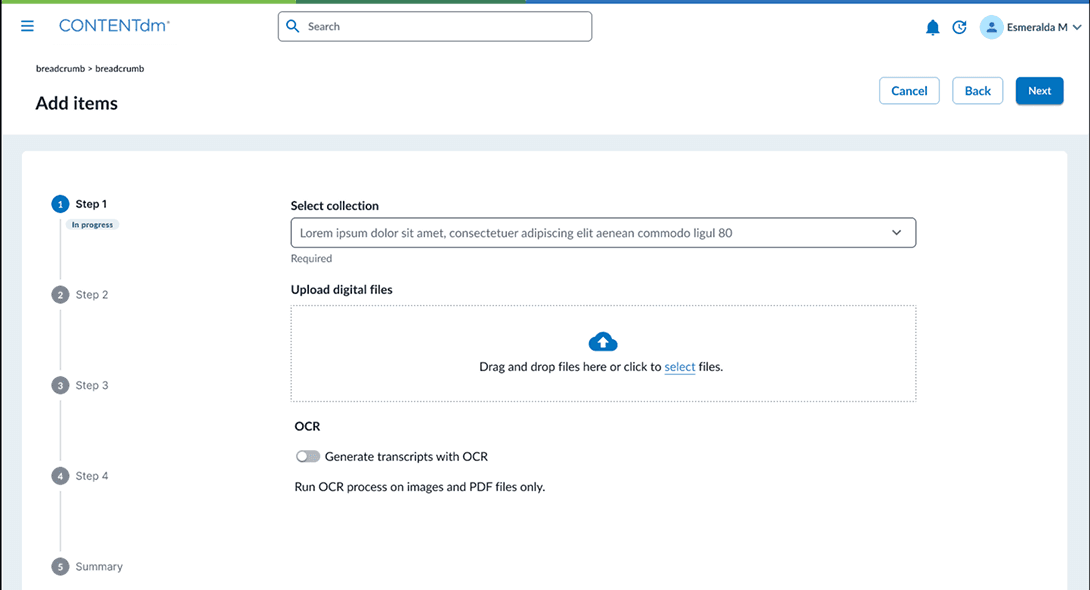
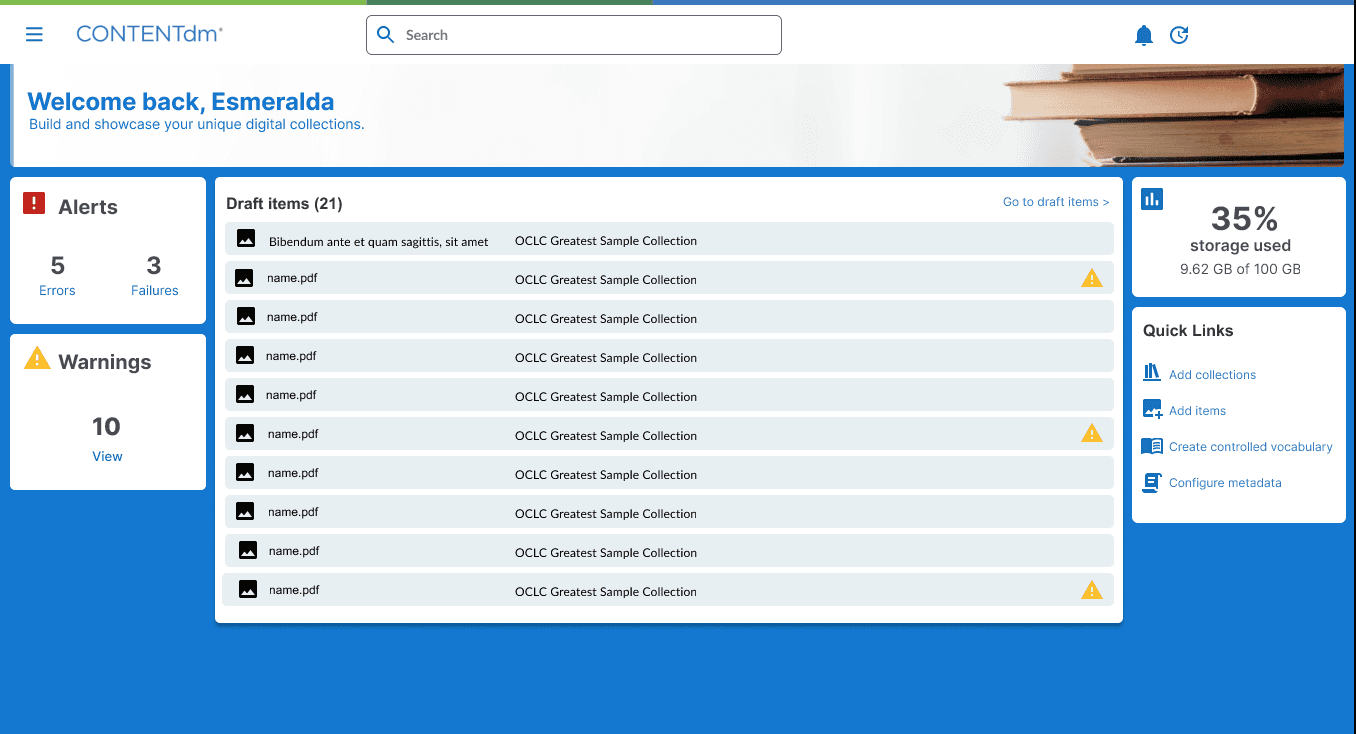
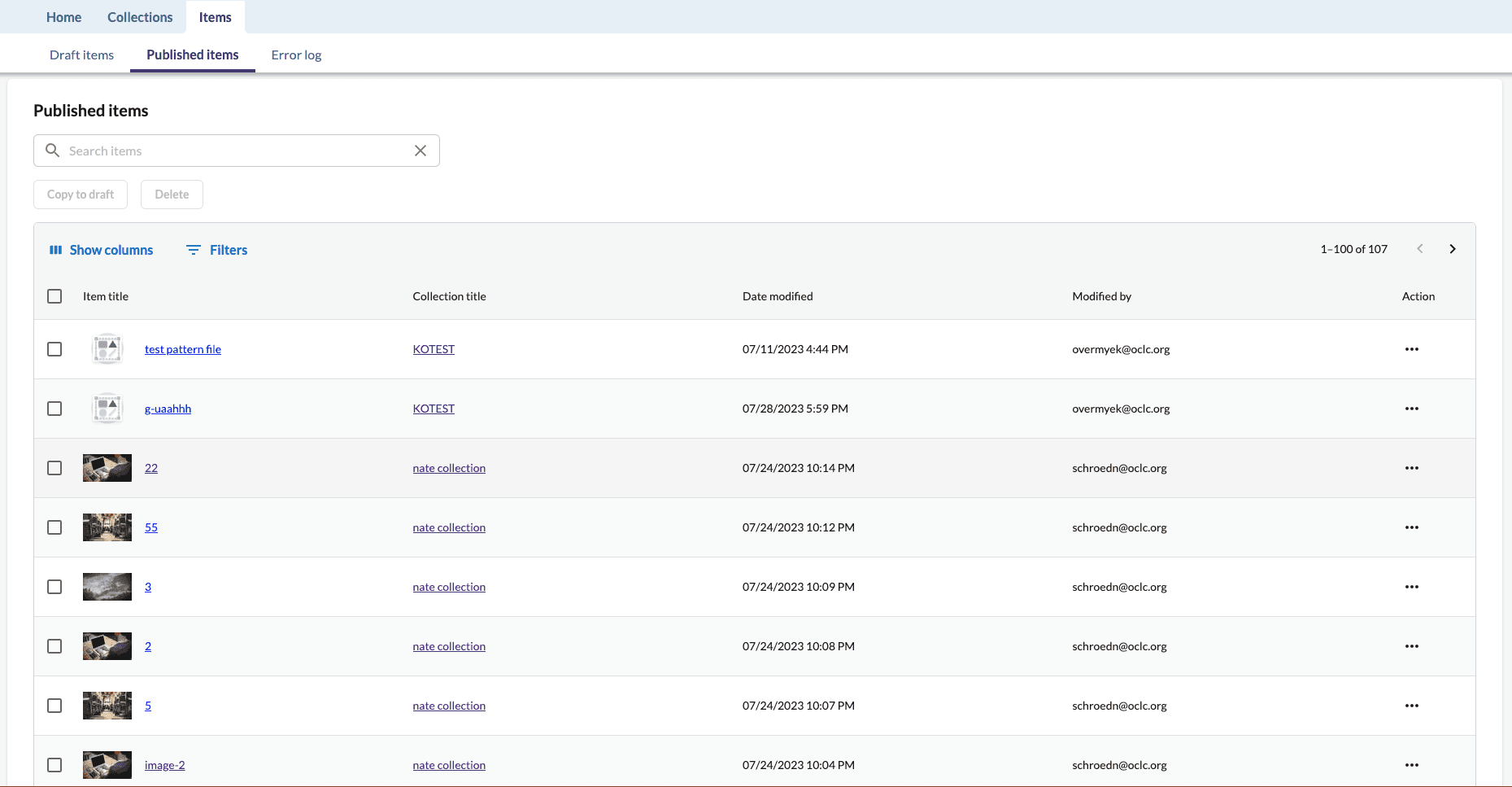
Through extensive research with librarians, archivists, and consortia partners, we identified critical inefficiencies in how users uploaded, managed, and published digital collections. The redesigned experience replaced fragmented workflows with clear, intuitive pathways that reduced cognitive load and supported both novice and expert users.
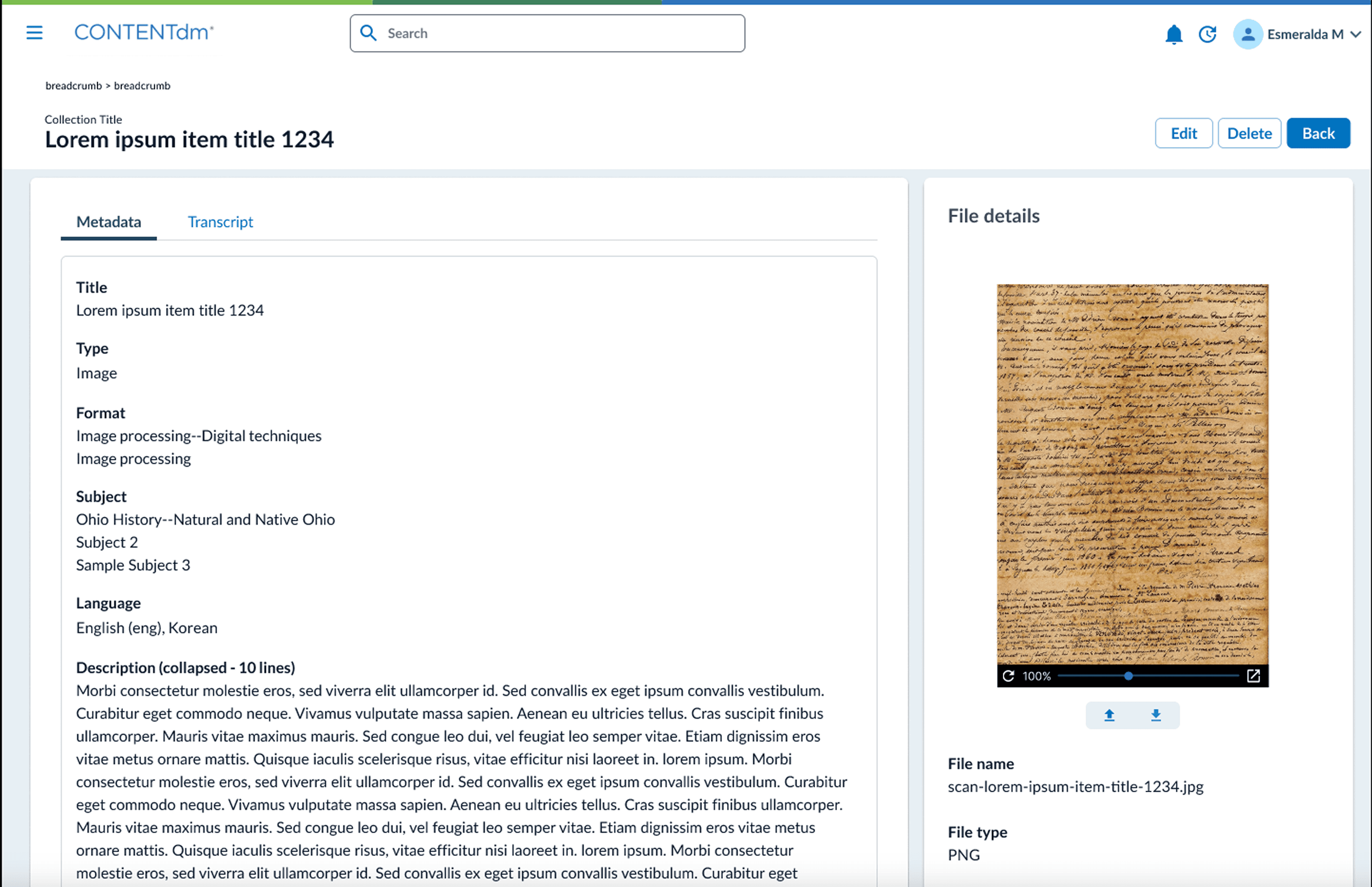
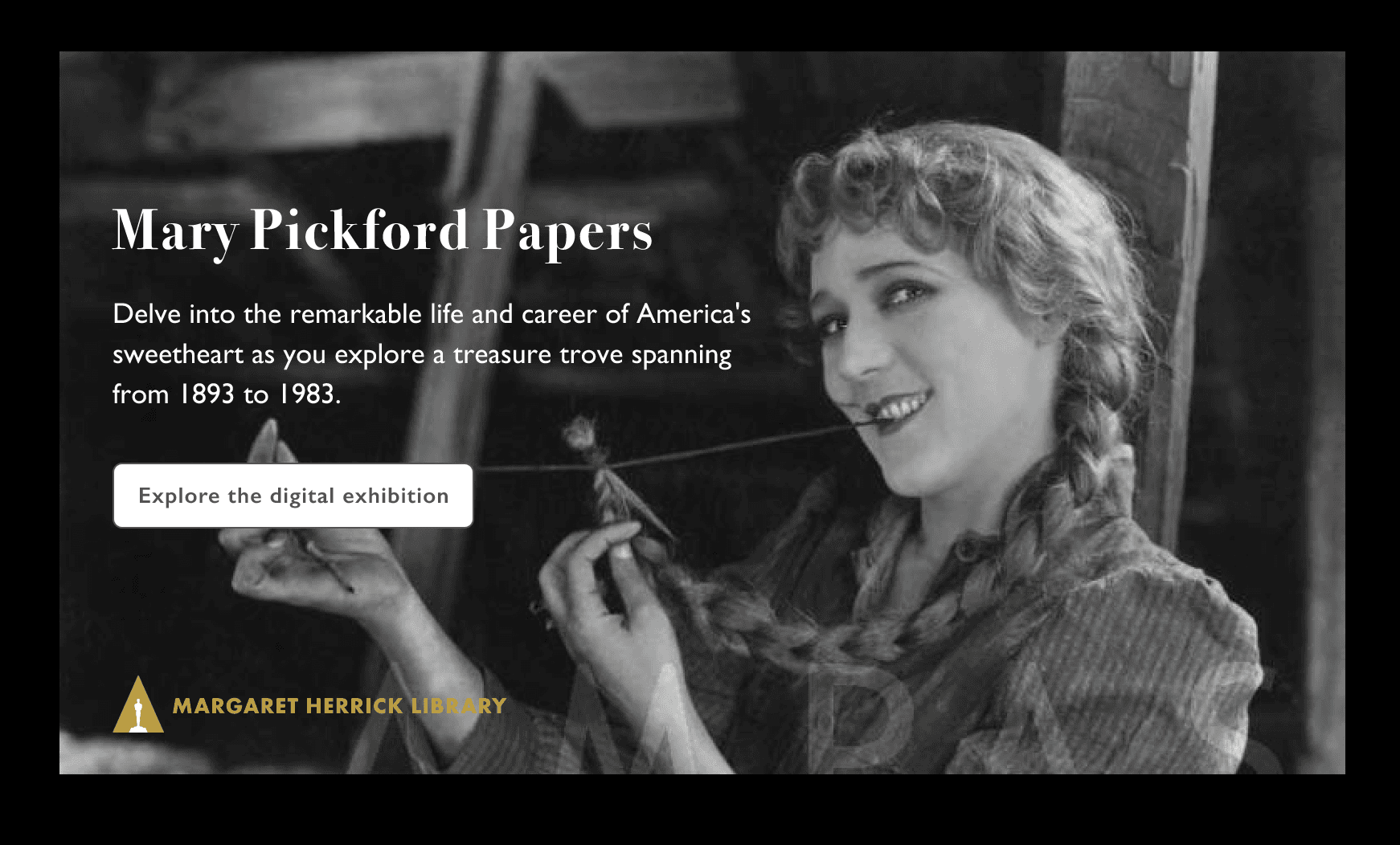
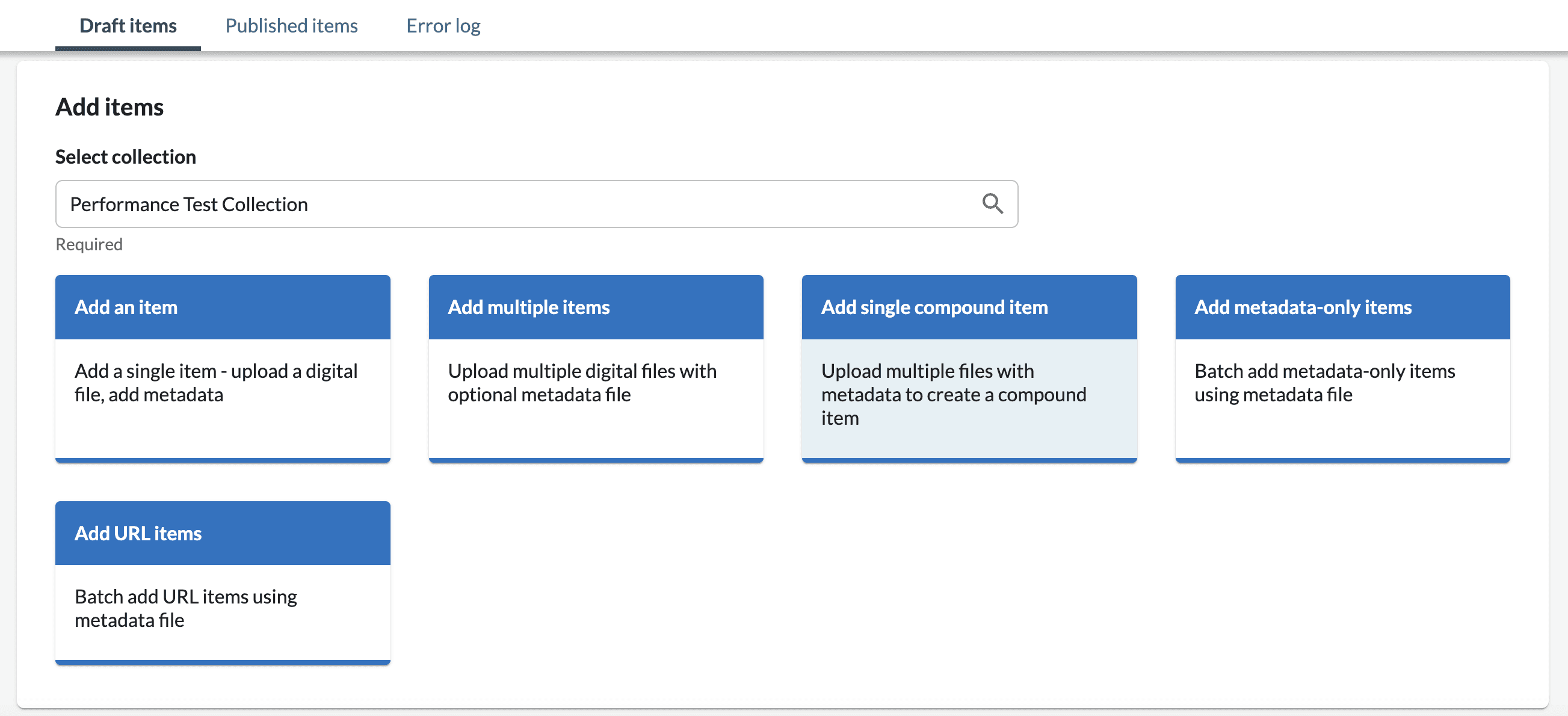
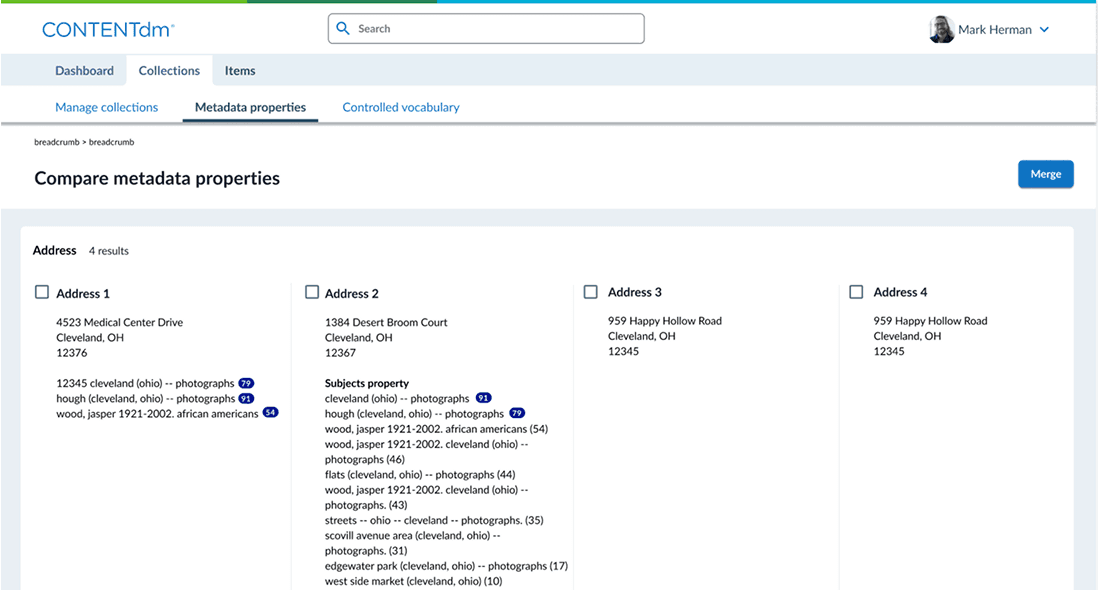
We streamlined metadata entry, simplified complex actions such as batch editing and publishing, and reimagined the exhibition experience so public-facing collections were clean, accessible, and visually compelling. The result was a more cohesive system that allowed institutions to manage assets efficiently while confidently presenting collections to the public.
The goal was to reimagine ContentDM as a modern, user-friendly platform that simplified asset management and empowered institutions to design and publish customized exhibitions without developer support. By reducing workflow complexity and expanding creative control, the platform could scale beyond traditional library use to support museums, cultural organizations, and private archives.
Building scalable patterns for internal administration and public access
The foundation of the redesign focused on creating a flexible, scalable system that could support institutions of varying sizes, technical maturity, and collection complexity.
We established:
A unified design system spanning internal dashboards and public portals
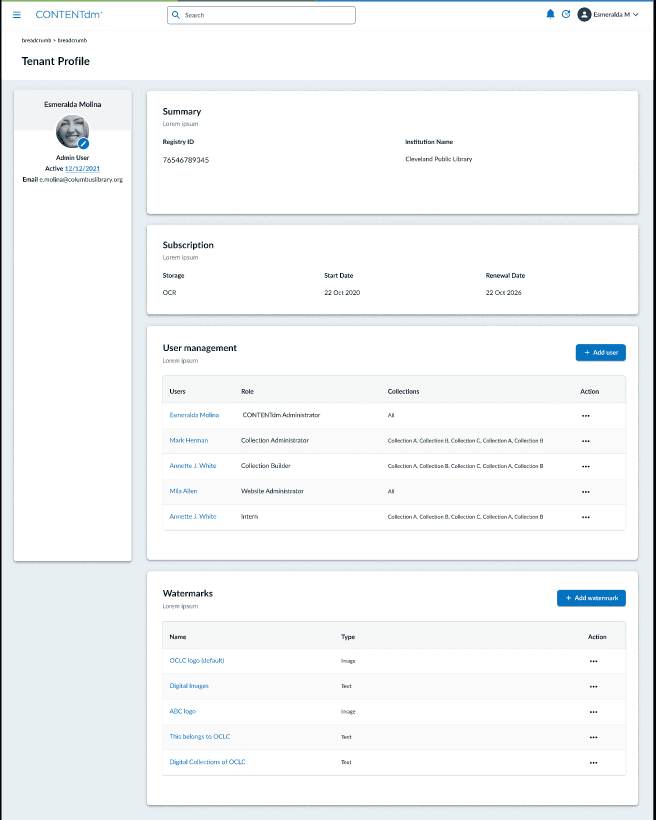
Standardized metadata workflows that improved accuracy and reduced duplication
Reusable components supporting batch operations, file management, and archival review
A modular interface designed to evolve with future features and platform upgrades
These building blocks provided OCLC with a cohesive, extensible platform aligned with the needs of modern digital libraries.
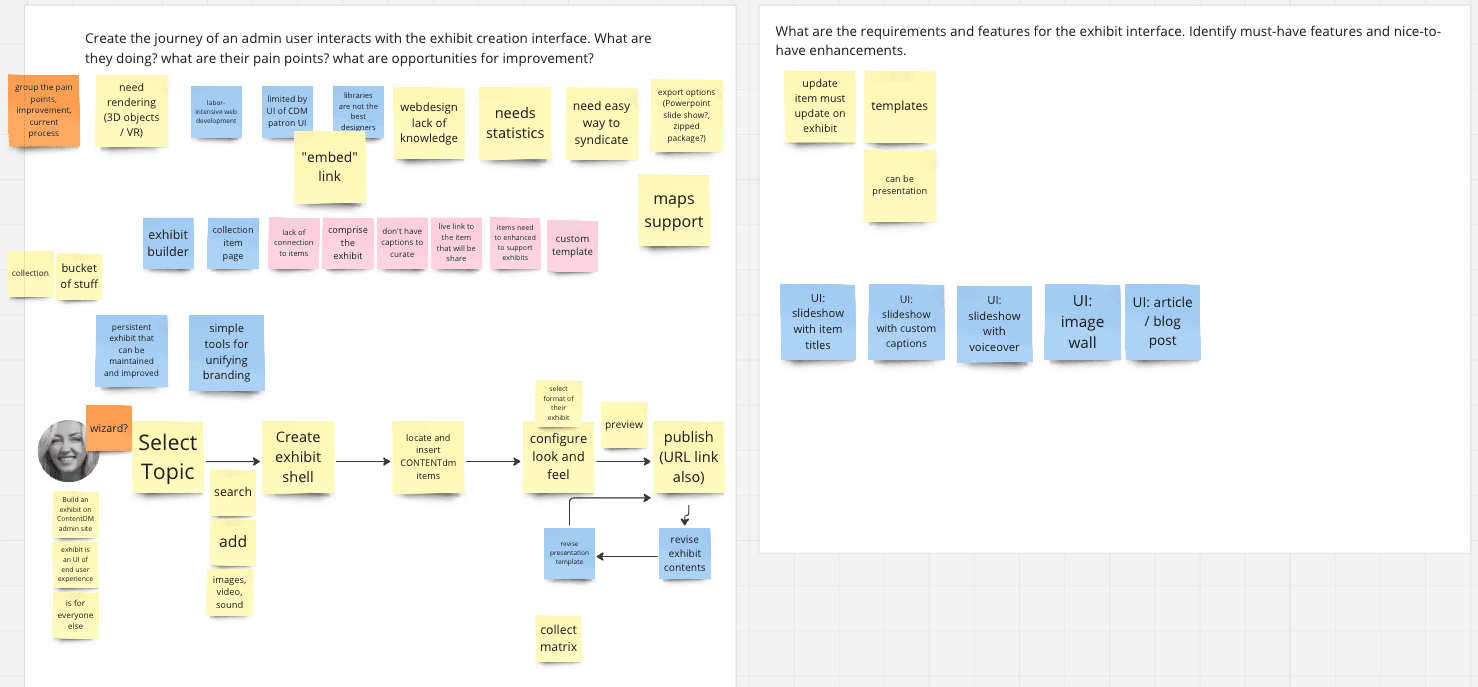
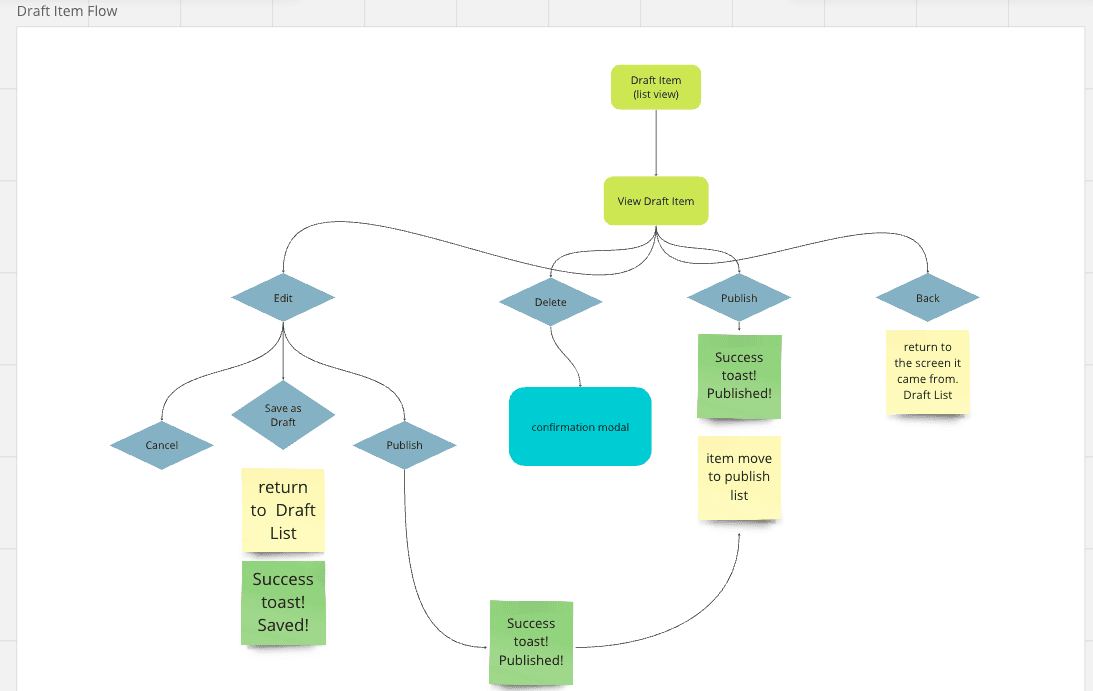
To support this foundation, I conducted usability audits and in-depth user interviews with administrators, curators, and non-traditional users. I facilitated design-thinking workshops and created journey maps to identify core tasks, decision points, and opportunities for simplification. High-fidelity, clickable Figma prototypes were designed and tested to validate metadata workflows and exhibition customization before engineering implementation.
Accelerating activation, improving efficiency, and driving revenue growth
The redesigned ContentDM experience accelerated onboarding, reduced operational friction, and enabled institutions to publish digital collections more quickly. Libraries adopted new workflows with less training and friction, allowing teams to activate collections and launch public exhibitions faster.
This modernization contributed to meaningful commercial impact for OCLC, supporting ContentDM’s revenue growth from $8M to $22M. By transforming a legacy system into a scalable, intuitive platform, the redesign strengthened both the user experience and OCLC’s position as a leader in digital asset management.
While ContentDM continues to evolve, this work established a durable foundation for a more intuitive, scalable, and accessible platform. Reduced operational complexity and improved usability expanded ContentDM’s appeal beyond traditional academic libraries to museums, cultural organizations, and private archives. By broadening its audience and use cases, the platform is positioned to drive continued adoption, long-term retention, and sustained revenue growth.